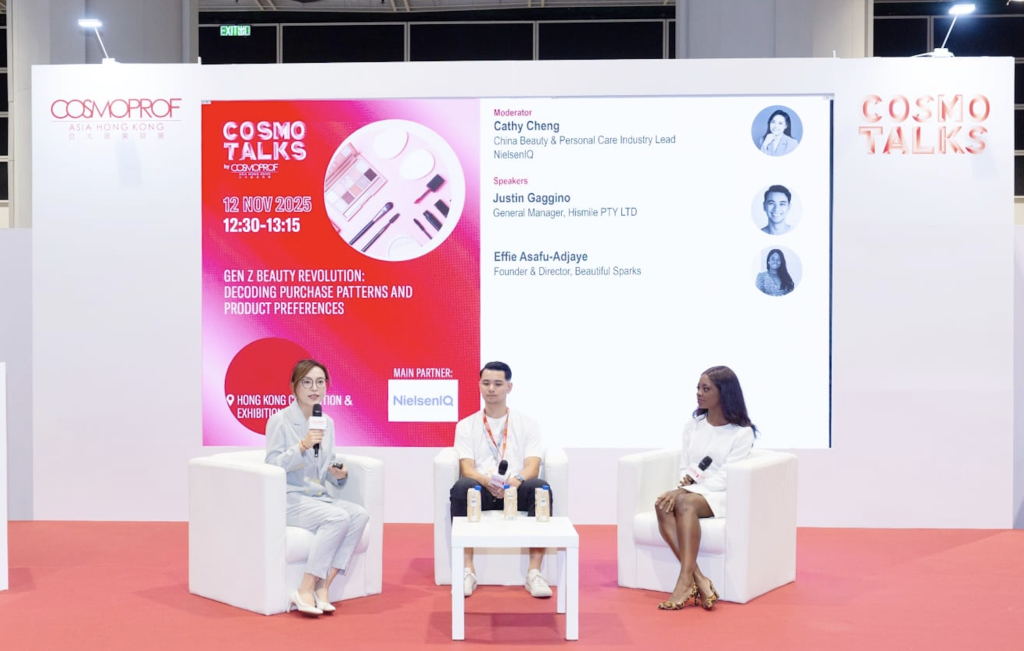
At Cosmoprof Asia in Hong Kong, we joined Hismile and NielsenIQ to explore a question many brand leaders are trying to answer right now, which is how to build a genuine connection with Gen Z.
Gen Z’s purchasing power is rising, and their expectations will play an increasingly significant role in shaping how brands show up in the world. Some brands like Hismile have already cracked the code, while many others are thinking carefully about how to attract Gen Z without alienating their core customer base.
Here are our key perspectives shared during the panel discussion.

What Drives Gen Z’s Purchase Decisions
A helpful starting point is to reflect on what inspired you when you were eighteen to twenty-five because the core motivations are still the same. Discovery, adventure, experimentation, play, the desire for fun, and the instinct to create memorable experiences are timeless at this life stage. Gen Z expresses these motivations in a cultural and digital landscape that moves much faster.
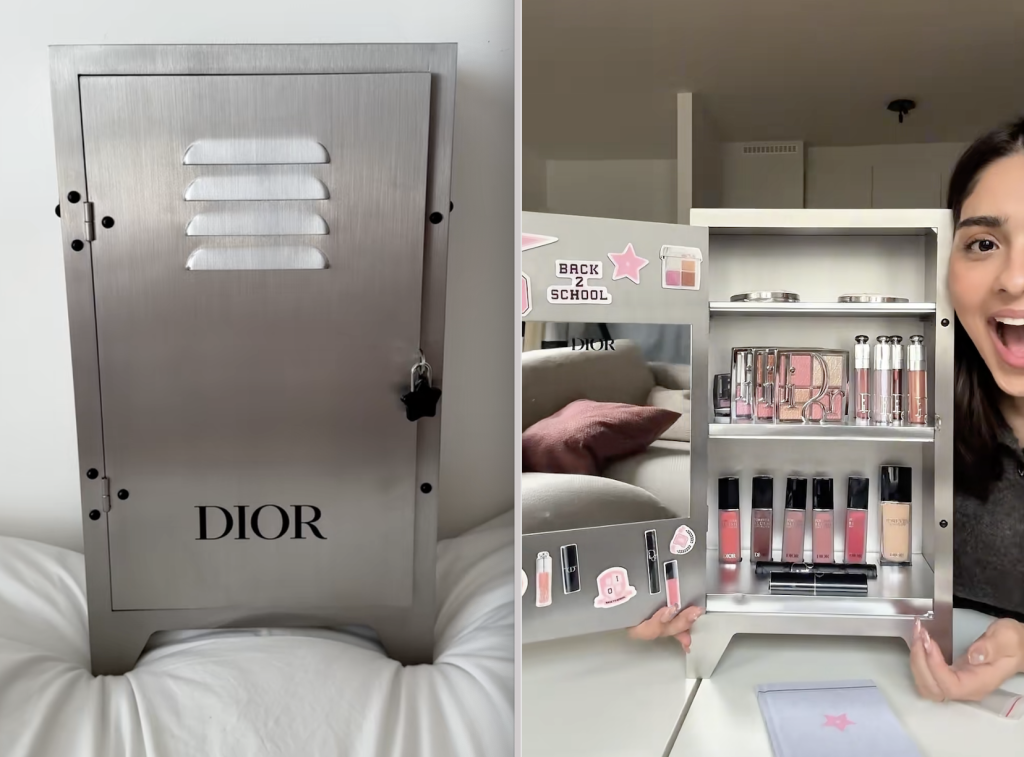
The brands connecting well with them today intentionally tap into these values at key brand moments. Dior’s recent influencer campaign illustrates this clearly. It protects its luxury identity while still creating moments that feel enjoyable, social, and shareable.
For Gen Z, Product, Price, and Experience work together.
• Product: Sensory, visually interesting, unexpected. Colour, texture, and packaging that feel content worthy.
• Price: Accessible enough that joining the brand feels easy. Not cheap, but within reach.
As we explore what drives their decisions, it naturally raises the next question, which is how their expectations around loyalty have shifted.
Reshaping Expectations and Loyalty
Gen Z lives for new experiences, not loyalty. They shop several brands across several retailers and move fluidly between them. That same fluidity appears in the rest of their lives. The average Gen Z adult is expected to move through seventeen jobs across five careers and relocate several times.
So instead of asking “How do we keep them loyal?” the better question is “How do we stay one of their favourite brands?” Traditional loyalty programs still matter, but the strongest driver of ongoing connection is community. When customers know each other by name, loyalty shifts from a transaction to a feeling of belonging.
Community becomes the superglue. Strong communities tend to share three traits:
- Philosophy: A clear stance people can align with.
- Belonging: Gen Z sees themselves in the brand and in the stories being told.
- Communing: Private or semi-private spaces where people gather online and in real life.
Examples include Topicals with Slack and Discord groups, Calling Beauty with a WhatsApp chat, and Lashify with its customer-run Facebook community. As these groups scale, the brand’s role becomes less about directing and more about facilitating connection, similar to how Nike Run Clubs grow community through connecting their customers.
This shift also changes how brands approach product and storytelling.
How Brands Are Adapting
TikTok has dramatically accelerated the trend cycle, and brands feel pressure to constantly deliver something new. This is not always healthy for the P&L, which is why the opportunity now sits in finding a middle ground. New product launches will always matter, but brands can create just as much impact by telling fresh stories with their established ranges.
For brands wanting to bring Gen Z into their world without distancing their existing customers, the entry or hero SKU becomes a meaningful acquisition engine. It allows for recruitment campaigns, and Gen Z targeted campaigns and focused brand moments that still feel aligned with the brand’s identity.
The Platforms and Behaviours Shaping Discovery
TikTok, Instagram, and AI-driven feeds shape much of what Gen Z encounters. With terms like brain rot and doom scrolling becoming part of their own vocabulary, there is clear awareness of how addictive algorithms can be. At the same time, they are seeking more trusted spaces such as Substack communities, private group chats, and smaller circles where recommendations feel more personal.
Many are online for six hours a day, which naturally creates moments where they want to step back from constant noise. We will see more intentional unplugging, but it will sit alongside continued heavy online consumption.
Looking ahead, live shopping will be one of the biggest shifts in how Gen Z discovers and buys. Australian brands are already experimenting with on-site shopping streams as they prepare for TikTok Shops, learning from what we have seen in China and the United States.
Conclusion
Gen Z is shaping the direction of the industry whether brands keep pace or not, and the opportunity for those still catching up is to use their existing brand equity to express stories and moments that feel relevant to how Gen Z discovers and engages today.

Author: Effie Asafu-Adjaye
Effie Asafu-Adjaye is the Founder of Beautiful Sparks. Beautiful Sparks helps beauty and fashion businesses get more fanatics in love with their brands, by refining their brand strategy, messaging, branding, content storytelling, and community-building strategy. Read more about Effie here. Linkedin.