We've all seen how the former era of the polished campaign has given way to rawer, more unfiltered content that audiences have responded to. Brands are beginning to open the doors to the inner workings of their brand and teams. This means taking customers along for the ride for both the ups and downs behind the scenes and at times turning internal blunders into brand-love.
What's been fascinating to watch is what happens when a brand navigates something difficult in public. The connection that forms in those unscripted moments is a different quality to anything traditional marketing campaigns can create.
Here are three moments that show what this looks like in practice:
1. They share the lows
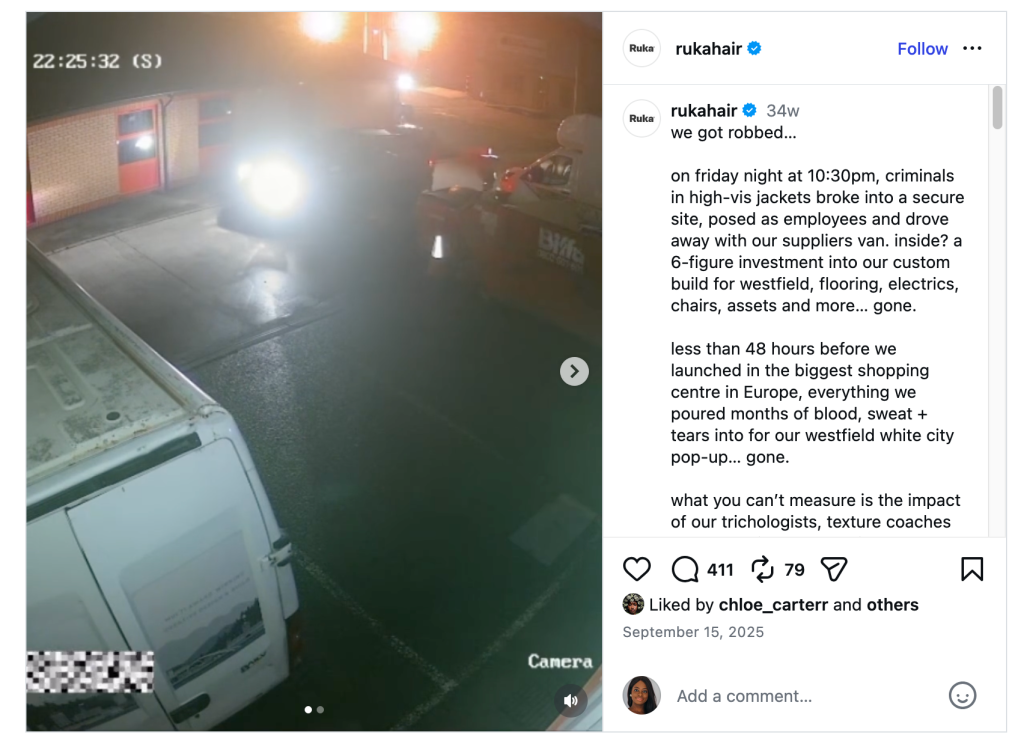
There's something about the low moments that seems to drive incredible engagement and support for a brand. Followers feel even more connected when they rally behind it. Take Ruka for example. The hair extensions brand from the UK. Ahead of a major retail pop-up event, criminals impersonated employees and drove off with their supplier's van, taking with it a six-figure investment worth of custom-built assets and stock intended for their Westfield pop-up launch, all just 48 hours before the event opening. While their goods were stolen, their mission and community could not be, with customers rallying behind the brand through pre-launch orders, customers felt even more invested in supporting their success.
2. They take a stand
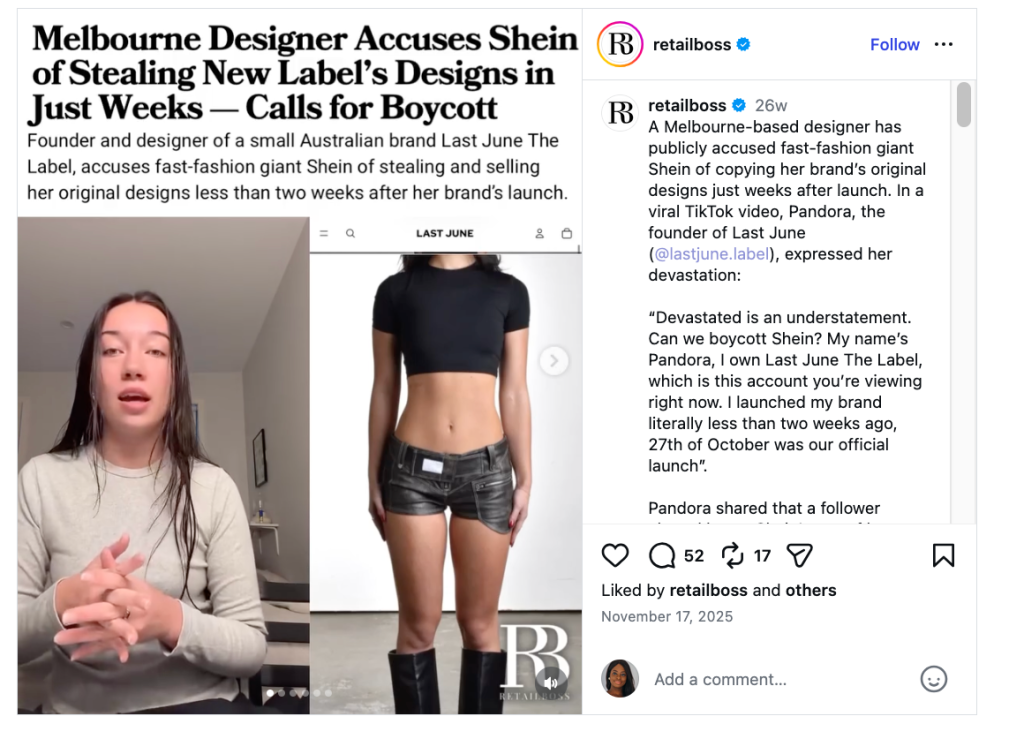
Some brands, when faced with something that feels fundamentally unfair like a copycat or an industry norm that doesn't sit right, choose to say something publicly. What's interesting is what happens next. This works best for brands with a bold, fearless DNA that their audience already expects, and resonates with. For some brands, the same move wouldn't feel aligned. Whilst for others moments like this have created an interesting dynamic where audiences advocate for you and the brand gains visibility and new believers.
3. They share their errors
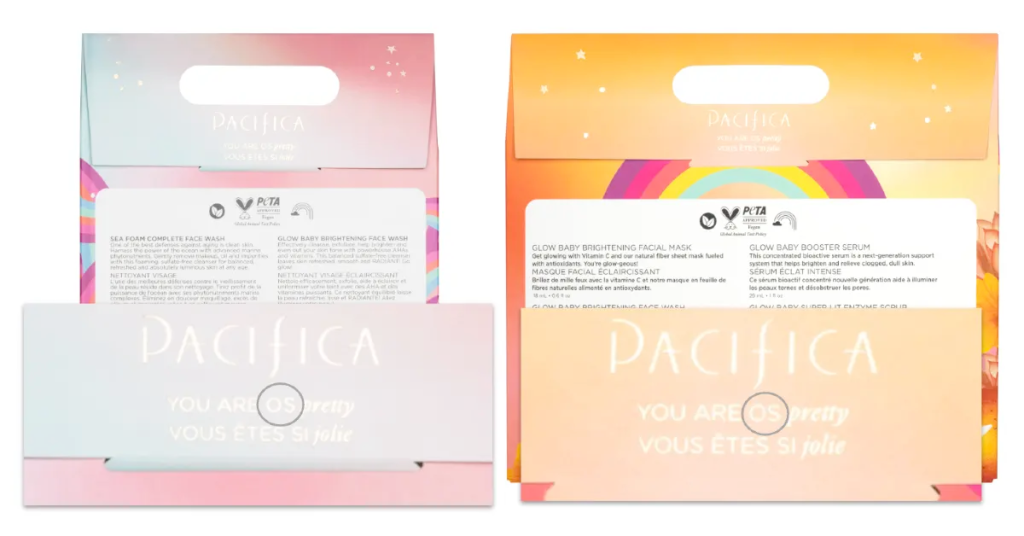
Pacifica Beauty was one of the early beauty brands to turn their errors into a campaign moment. A packaging misprint on one of their sets accidentally read "you are os pretty." Instead of scrapping the stock, they turned the error into a limited campaign where they pledged to plant one tree for every purchase of the affected product. The mistake became a sustainability story rather than waste, positioning the repurposed inventory as a way to reduce impact and give back.
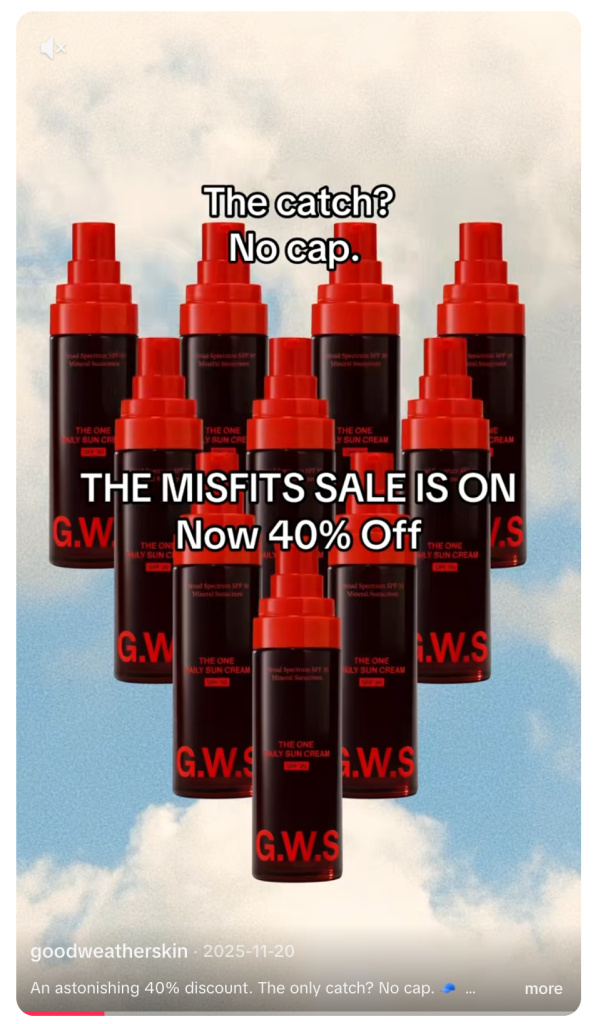
With tariffs and ongoing supply chain disruption, packaging became a major challenge for Good Weather Skin. During production, they learned that their supplier had delivered fewer bottle caps than required, but only after the products had already been filled. Instead of scrapping the batch, they turned it into a Misfits campaign, selling inventory with no lids at 40% off. What could have been a costly setback became a fast-moving drop, with customers backing the story and the stock selling out far quicker than expected.
The common thread running through all three examples is vulnerability. Whether it's admitting a mistake or calling out something that isn't right, each of these moves signals to the consumer that there are real people behind the brand. In a world that is increasingly artificially generated and algorithmically optimised, that level of humanity is becoming a genuine competitive advantage.

Author: Effie Asafu-Adjaye
Effie Asafu-Adjaye is the Founder of Beautiful Sparks. Beautiful Sparks helps beauty, fashion and lifestyle brands become known, loved and remembered through sharp positioning, strategic storytelling, and campaigns that connect with the right customers. Read more about Effie here and on Linkedin..